Uncategorized

Maximus the Confessor on Deification in His Two Hundred Chapters on Theology

Maximus the Confessor is quickly becoming one of my favorite historical theologians. His characteristic Christocentrism, his healthy balance of apophatic and kataphatic theology, and his descriptions of the Christian life all lift up the soul to heights of love and peace which few contemporary Christian paperbacks have the ability to do. I am reminded of C.S. Lewis’s insistence, in his famous preface to Athanasius’s On the Incarnation, that, nine times out of ten it is the time-tested, ancient theological treatises which offer more spiritual encouragement than anything coming out in print today (with a few exceptions). I find the same to be true when reading Maximus; you can tell the man loved God, loved people, and found much growth in the contemplation of divine things. I myself benefit by allowing my soul to be lifted up by his theological movements.

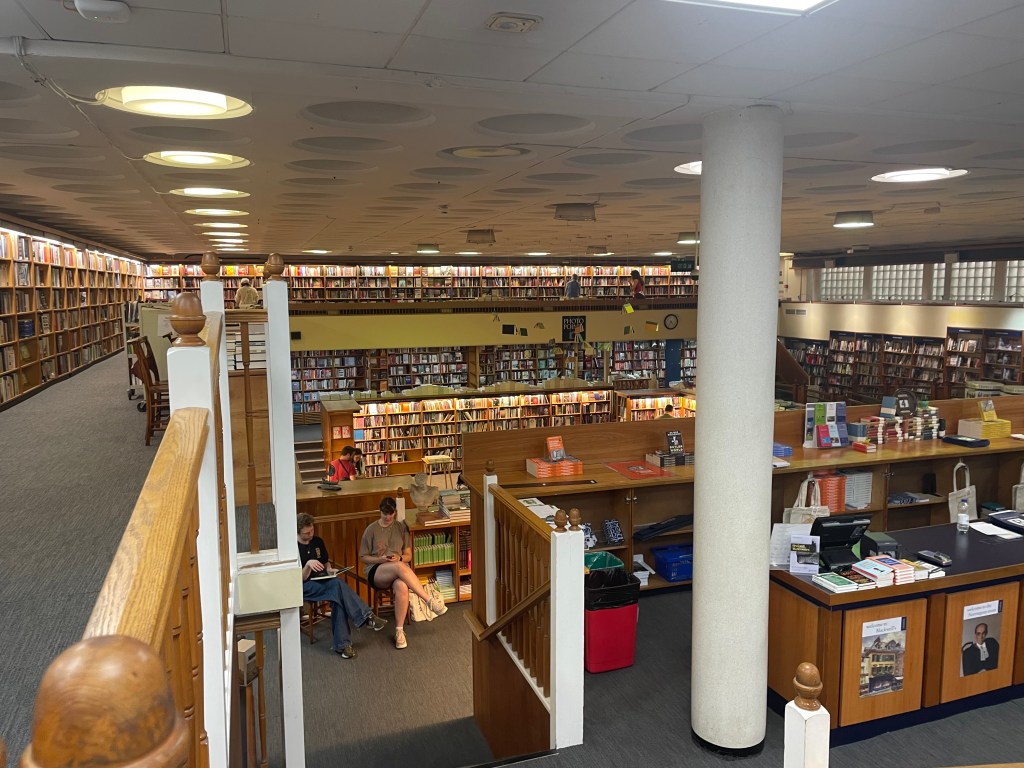
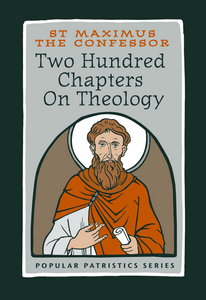
When my wife and I were perusing the humungous Oxford book store, Blackwells, I came across a Patristics section which took up most of my time that day. While there, I purchased SVS Press’s copy of Maximus’s Two Hundred Chapters on Theology. It is turning out, in only the first few pages, to be enormously rich and spiritually and theologically precious to me. There is much gold to be dug up, here.

Maximus begins his work by setting up a few guard rails about God’s absolute otherness, using terms I have only ever read Dionysius use (i.e., “super-substantial” and “absolutely above/beyond essence or substance”). He then goes on to describe the inner life of the one whose spiritual/thought life is continually disciplined to draw itself up to God:

1.13 He who has dazzled the intellect with divine thoughts, and has accustomed his rationality unceasingly to celebrate the creator with divine hymns, and has hallowed his sensory perception with unadulterated mental representations – such a one has added to the natural beauty in accordance with the image, the deliberate good in accordance with the likeness.”[1]

You can see here the patristic conception of image/likeness in Maximus, as well as a definition of deification as a mystical union or sharing, an unutterable love-relationship which God and Man continually keep up with one another (based on both God’s and Man’s dual initiative). Reading 1.13 reminded me of a similar statement of Maximus’s in his Ambiguum, where his explanation of mystical union revolves around something like the idea of being fully encompassed by the Other. To Maximus, our union with Christ is a full-encompassing, where, though we keep our essential humanity intact, we are known and are seeking to be more known only in line with those characteristics and particularities as filtered through God’s gifting of them. In other words, we refuse to be known or encompassed apart from our own total-identification and encompassing by Christ. Glorious.

Three “chapters” later, Maximus illustrates a provocative picture of salvation which further attempts an elucidation of deification. He writes,

“And he who has been purified, is illuminated; and he who has been illuminated is made worthy to lie with the bridegroom Word in the chamber of the mysteries.”[2]

Maximus chooses to relate our union with God to the sexual union which a husband and wife share on their wedding night. He caveats that image, though, with the “mysteries” as the place wherein that sexual union takes place. Now, by “mysteries” he means the sacraments of the Church: the Eucharist and Baptism. So, the sacramental mysteries are the means through which God unites himself, continually, to his people. Without a consistent participation on the part of the Bride (the Church) in the mysteries (the Eucharist), the Bride and Groom (the Word, Christ) are not in full union and their relationship is not initiated or brought to completion. Again, glorious.

In case you thought Maximus the Pelagian, however, he insists, later on in the first forty or so chapters, that:

1.31 Never can a soul reach out towards the knowledge of God if God himself does not, having condescended, lay hold of it and lead it up to himself. For a human mind is not strong enough to ascend such a distance – as if to seize for its part some divine illumination, if God himself did not draw it upward, as far as is possible for a human mind to be drawn upward, and enlighten it with divine radiances.”[3]

Such union, mediated to the Bride in the mysteries, is more rightly said to be initiated and brought to its end by the Groom, i.e., Christ. It is Christ who reaches toward the Christian and pulls him up to union with Himself. Christ gets the credit and the glory for the Triune work he completes in us, using the mysteries, to do such work.

Amen, amen, and amen!

For those who want a deep spiritual nourishment beyond the steady flow of contemporary, popular Christian literature (much of which misses the point), turn to the ancient fathers for the golden honey of biblical wisdom. Turn to the Tradition, and be satiated.


[1] St. Maximus the Confessor, Two Hundred Chapters on Theology (Yonkers, NY: SVS Press, 2015), 51.

[2] St. Maximus the Confessor, Two Hundred Chapters on Theology (Yonkers, NY: SVS Press, 2015), 53.

[3] St. Maximus the Confessor, Two Hundred Chapters on Theology (Yonkers, NY: SVS Press, 2015), 61.
Uncategorized

Europe Trip: Day Nine (Rome Pt. 2)

Today was similar to yesterday. We got up, did the Italian breakfast thing at the caffe immediately next to the caffe from yesterday (near the Trevi fountain), and set off for the nearby Pantheon. Beautiful, beautiful, beautiful.

My journal entry this morning:

“Sitting outside at a caffe next to Trevi fountain (the caffe directly beside the one from yesterday morning). The food/drink is not as good, but to sit outside is a European delight. I love my wife. She is my best friend… Glory to thee, our God, glory to thee.”

We saw the Colosseum today, and had a great time listening to our Italian guide who lives in Japan named David (?). He was a character, and looked right in our eyes the entire tour, spouting off Roman history facts (much of which contrasted directly with what is found in the Russell Crowe movie ‘Gladiator’) as he looked at us with a hawk-stare. We met a few Aussies from our group, had some delicious fettuccini for lunch directly across the street from the Colosseum – a wicked, in a good way, meal – and found that we were in a ready mood to return to the States regardless of all of the delicacies we have enjoyed these past ten days.

Tonight, we reserve our Uber ride to the airport for the morning, list off all of the souvenirs we bought on the trip, and write a thank you note to our Airbnb host (who just had a child).

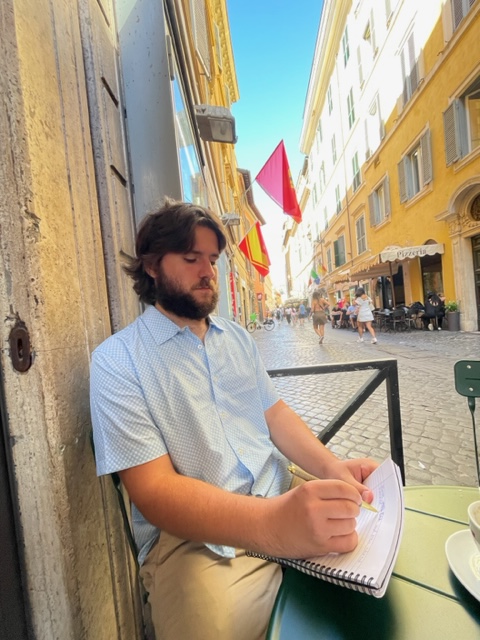
Journaling this morning at the adjoining caffe. We sat outside with our cappuccino and caffe lattes (and our croissants) and felt like real Europeans.

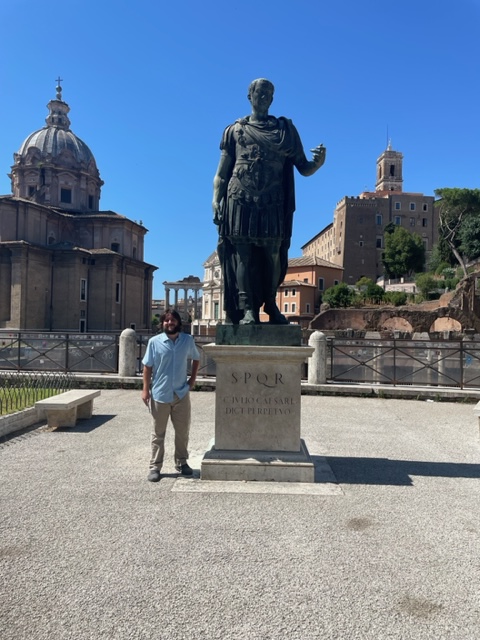
Next to the Kaiser himself. Behind me are Roman ruins and to my right, off in the distance, is the “Colosseo.”

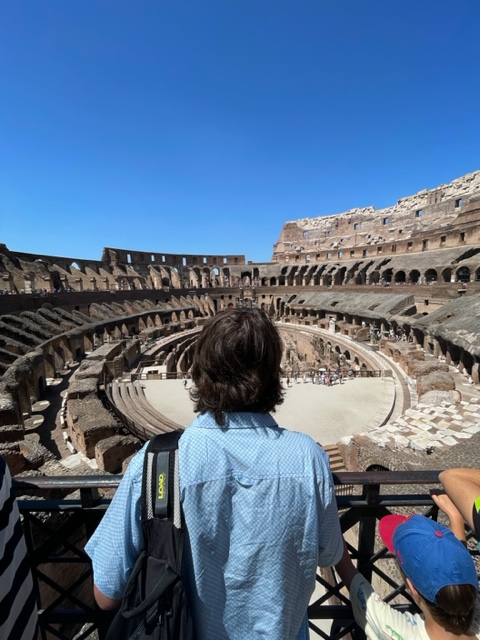
The Colosseum. Neither Kristen nor I have been to such an old place.

We fly back tomorrow. We have loved Roma. We are ready to be back in the home country. For all its faults (no country escapes faults), we appreciate our homeland and all of the opportunities it provides us.

Blessings and peace.

Signing off, Europe.

Uncategorized

Europe Trip: Day Eight (Rome)

Yesterday was just exhausting, and today was similarly exhausting but in a different way.

Yesterday morning, Kristen and I said goodbye to Santorini and all of the fantastic views, memories, and food we enjoyed while there. We took a flight – which got delayed – to Athens, Greece, where we stayed for five hours before taking another flight – which also got delayed – to the final place on our Europe itinerary: the Eternal City, Rome. We had a pleasant conversation with our Romanian taxi driver as he drove us to our Airbnb on the outskirts of the city late at night, and we settled in.

Today was Vatican City day. Since we felt rested and energized this morning we decided to make the walking trek into the central part of Rome, stopping at the Trevi Fountain and a nearby caffe where we got pictures and breakfast. I got an Italian espresso, and our waiter promptly instructed me on the proper use of the cup of water he placed in front of me as he delivered the rest of our meal: first eat, then sip water to clean your palate, then drink espresso, then sip more water to clean your mouth a second time (imagine all of those instructions coming from a heavily-accented Italian waiter). It was a pleasant, picturesque, Italian breakfast. We then set off for the Vatican.

We found ourselves really enjoying Roma – its centuries old architecture, its pleasant streets, its wonderful music – as we made our way towards the Church-State. As newly-minted Bachelor degrees, Kristen and I have our fair share of knowledge about worldwide Roman influence, and we consistently found touch points where that knowledge came to the fore. More than anything today, though, we realized how much we appreciate the love of life epitomized by the Italian culture we breathed in so deeply today; the music, the cuisine, even the architecture emphasizes the Italian heart-beat message that life is meant to be enjoyed and appreciated, even while a full knowledge of the reality of evil and suffering should temper such enjoyment and full-bodied appreciation. Being in the Eternal City makes one think Eternal things.

Unfortunately, a few weeks ago we had tried to send in a request to secure some Papal Audience tickets which gives the user access to a general audience with the Pope where he speaks on some issue in front of a select crowd, but we weren’t able to secure them. No matter, we saw his face and heard his voice everywhere: his likeness is plastered on thousands of postcards, merchandise, and iconography scattered across the vicinity of Vatican City. Since we had a few hours before we had to meet our entrance guide to get into the City, we stopped in to a few souvenir shops and bought some knick-knacks.

I won’t describe how being inside the Sistine Chapel, St. Peter’s Basilica, and the Vatican Museums made us feel: they were literally unspeakable experiences which are most fully appreciated by being in front of the art and artifacts. That’s all I will say there. If it gives any indication how much we enjoyed today, just know while Kristen and I were ranking our favorite trip days, Rome was vying for one of the top two spots in all our different rankings.

Before we took a taxi back to our Airbnb, we had an absolutely delicious dinner at one of the many alley-street Ristorantes. Kristen got spaghetti and I got gnocchi. Once again: Dee-lish-uss. American “spaghetti” does not compare.

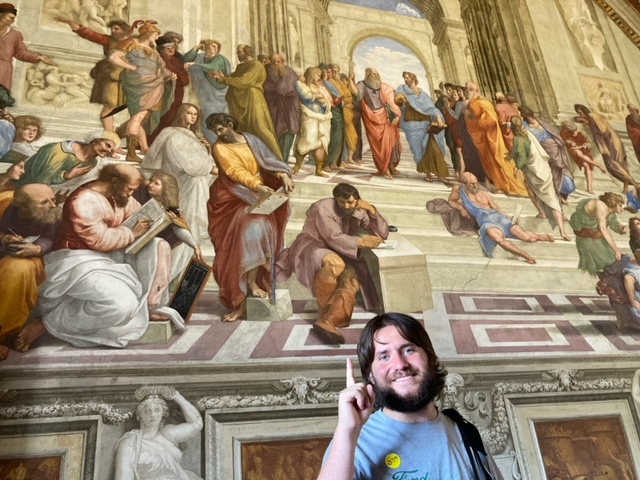
The eternally iconic painting of the gathering of the philosophers, with Plato and Aristotle taking center stage. The two figures’ poses demonstrate their respective philosophies: Plato’s pointing to the sky speaks of his Eternal Ideas as explanatory of reality and Aristotle’s horizontal hand gesture emphasizes the reality of the material world set against the Eternal Ideas espoused by his master. My finger pointing to the sky is my sign of appreciation for the Platonic tradition, which Eastern Christianity has always favored (over against the West).

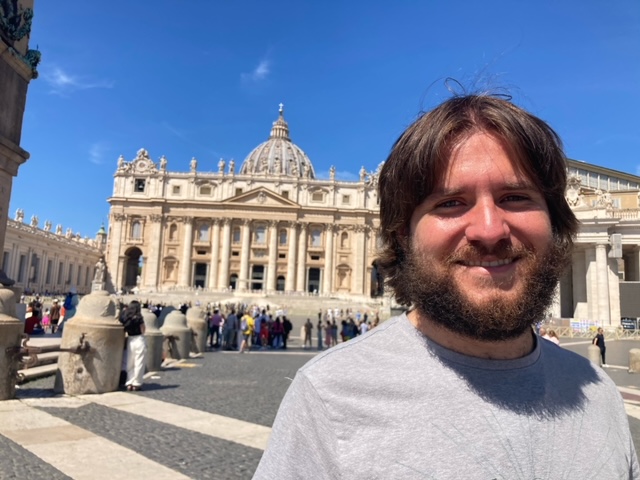
In Vatican City square; behind me is St. Peter’s Basilica, and blocked by my head is the chimney where the order of Cardinals indicates when they have chosen a new Pope (shown by which color smoke they let out of the chimney).

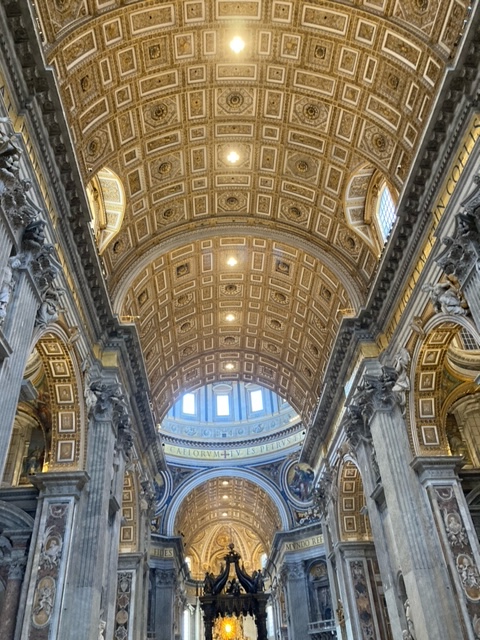
Inside St. Peter’s Basilica. Stunning amount of gold went into the construction of this place.

Kristen and I set out to see the Pantheon and the Colosseum tomorrow, which will be our final full day in Europe before we go back to the States the next day. We plan to eat tiramisu, gelato, and maybe buy some authentic spaghetti before the day is done.

Blessings and…

Ciao!

Uncategorized

Europe Trip: Day Six (Oia Pt. 2)

We had the most relaxing day, but we sweat like dogs. Our tentative schedule for today consisted of revisiting the antique shop in which we found the icons, surveying all of the local blue-domed churches in the area, and broadening our Greek cuisine options.

Last night I had planned on doing a short-length run through the streets early this morning. I got up at six and did just that; it was hands down the best view I have ever had during a jog (and there was hardly anyone awake, so it was me, the town, and the fantastic island view). When I had returned to our Airbnb and we got ready for the day, Kristen and I walked a few hundred feet down the road to a bakery owned by some Santorini natives who fixed us some croissants and espresso. We sat, munched on some butter bread, and sipped some Greek coffee. A few hours later, once all of the shops had opened (it seems a Greek custom to slowly begin the day), we met up with our host once more to take him up on another round of coffee which he told us yesterday could be provided free of charge. My journal entry paints a bright picture of how we felt:

“This is the most picturesque, most stunning place I have ever been. Our host made us cold Greek Frappes this morning on request and told us about his history in Santorini (he has lived here since a young man)… We are tasting the Greek culture here, and we love it. It makes me want to have a sort of tea or coffee time before and after meals once we get back to the U.S. It also makes me want to watch less TV and have more people over for such tea/coffee time (with snacks of course)… Glory to thee, our God, glory to thee.”

Another thing happened today which I didn’t record in my journal: I bought a hand painted Greek icon! There were many to choose from in the antique store next to the Epilekton Cathedral, but I decided to choose one of the cheaper (but still magnificently impressive) ones so as to save a bit of financial leg room for Rome. Also related to iconography is the opportunity we had today to go inside the Epilekton Cathedral itself. For only about five minutes, Kristen and I went inside of the reverent space in the middle of the town and lit wax prayer candles at the back of the sanctuary before swiftly exiting out of reverence for the sanctity of the place. We felt like true Greek Orthodox; it was dope.

Our final noteworthy experience of the day has to do with Greek cuisine. Kristen reminded me around midday that we had planned, while in Kamari, to taste authentic Greek gyros while here. Well, we couldn’t have been more surprised at how delicious they could be (“American gyros” got nothing on these)! For a fraction of the cost of the expensive meal we had yesterday – which was nonetheless delicious – we got to eat pork and lamb gyros at a gyro stand about a mile down the road from our stay, and we both instantly agreed it was the best meal we shared not only during our stay in Greece but during our entire trip. If in Greece, get the gyros.

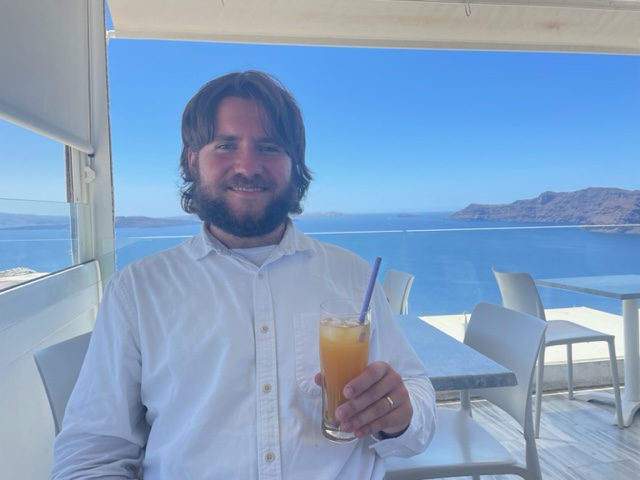
Our lunch destination today. I am holding peach juice. I had a smoked salmon and cream cheese sub sandwich, and Kristen had a classic turkey, cheese, mayo, and veggies sub sandwich. They were better than you probably think they were.

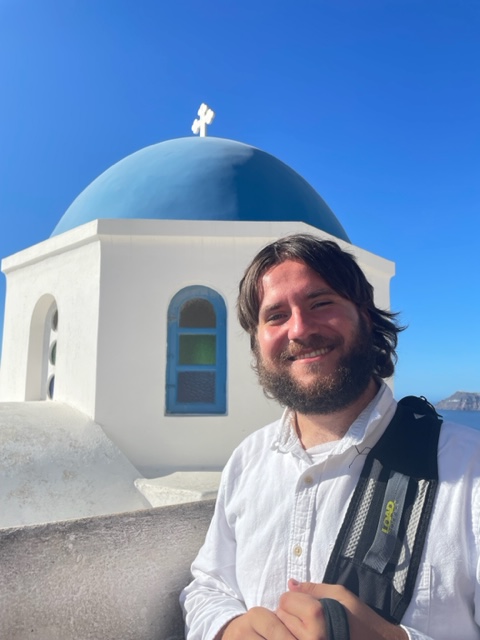
In front of one of the famous blue domes sprinkled across the Oia landscape. It was a beautiful day today in Santorini, and these are beautiful churches.

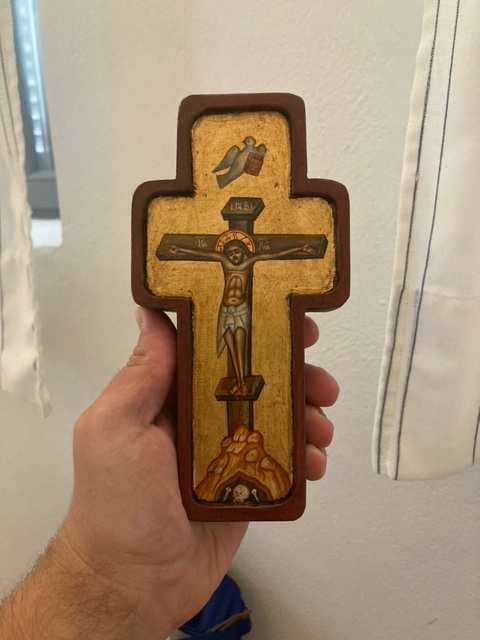
The authentic, hand painted and hand carved Greek Orthodox icon I secured today near Epilekton Cathedral. It portrays Christ’s salvific death on the cross, complete with the Holy Spirit in the form of a dove above Christ, and Death below, broken and defeated by Christ’s propitiation. If you look closely, you can see the trademark Greek letters on either side of Christ which spell out “IC XC” (pronounced “Ee-soos Kree-stoos,” i.e., Jesus Christ); in some icons, there will be an additional set of Greek letters which spell “NI KA” (pronounced “Nee-Kah”), which means “victory.” When combined, they proclaim, “Jesus Christ: Victory.” Amen to that!

A pretty awesome day today.

Blessings and peace.

Uncategorized

Europe Trip: Day Five (Oia)

“Wow, just wow. I have no words.”

Such was our reaction as Kristen and I ascended the mountainous, rocky slope on our way to Oia (Ee-yah). As our Uber driver Christos (“Christ” in Greek) drove us up towards Oia, we looked to the left of the car down the hundreds of feet of beautiful white, blue, and orange stone which constitutes most of the buildings of the town and ooed and awed at the grandeur of the Pinterest-esque scene.

Before we checked out of Kamari this morning, though, we decided to get up real early and watch the sunrise at 6:20 this morning. As my journal entry will soon indicate, we were met with annoyance by the owner of the beach seats we were sitting on (which we had not paid for, but other people were doing it!). No matter, our morning was wonderful; we were watching the sunrise on a Santorini beach.

I had a two part journal entry today, one before and one after getting to Oia. Parts of both are worthy of quotation:

Part One: “Watching the sunrise this morning on Kamari beach… We got kicked off our seats in between this sentence and the last… Glory to thee, our God, glory to thee.”

Part Two: “We made it to Oia and checked in. I have never been to such a place as this. Our Uber driver told us of his spiritual experiences and his road back to the Orthodox Church, and said the meaning of the [three] bells – constructed beside [most] Orthodox Church[es] on Santorini – represents the Father, Son, and Holy Spirit. What a cool time we have already had today. I am having vivid flashbacks to my trip to Europe with Grandpa when I was a teen; the trip I realize now precipitated my love for contemplation, reading, and exploring. I thank God for his many graces. Glory to thee, our God, glory to thee.”

We struggled to find our Oia Airbnb earlier today, and texted our host a flurry of worried texts. Once we found it, though, we were met by a relaxed, easy-going Greek guy who showed us to our room and let us loose upon the town. We bought a few trinkets, ate an expensive meal, and saw some beautiful churches. To my elation, we even found a workshop for icon painting! The man inside was a humble, reclusive artist who you could tell took pride in creating beautiful heavenly images. Unfortunately, he did not sell anything smaller than a TV screen so I was not his customer. To experience his iconography up close was a gift in itself, though.

Another shop down the road, however, does sell smaller, handprinted icons which I am scoping out for a midday purchase tomorrow. Will post pictures once the package is secured.

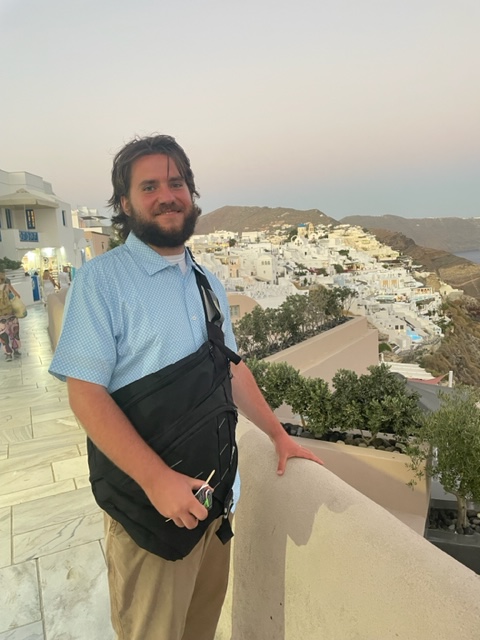
Our view – only feet from our Airbnb – overlooking the town of Oia. To my right is a vast expanse of water with a volcano in the distance.

Standing in front of the Epilekton Cathedral, with an icon of the Theotokos (“God-bearer” in Greek, a term used for the Virgin Mary) and Jesus Christ as a child. Gorgeous church within walking distance of our place, and right next to the shop from which I will hopefully secure my icon.

To finish off the day, Kristen and I got some single-scoop ice creams and watched the wildly rich and powerful walk in front of us as we sat, talked, and enjoyed the view.

Blessings and peace.

Uncategorized

Europe Trip: Day Four (Kamari)

Today marked Kristen’s and my first full day in Kamari, Santorini. As I wrote yesterday, today was a recuperative day where we swam, ate, and rested. Other than the daily rundown, there is not much to report other than to say that our Greek breakfast this morning was possibly the best meal I had ever eaten, and the moment I had today of peering through the crystal clear waters of Kamari beach while laughing with my spouse and best friend will be implanted in my mind forever. If your vacation funds allow, devote Santorini, Greece to your number-one-priority vacation destination. Amidst the heavy flow of tourism and criss-crossing linguistic streams, Santorini presents an unsurpassable pleasure to the responsible traveler who gets well-placed Airbnbs and knows where to go for a delicious meal. I say this, though, only having visited half the island. We will see if my suggestion proves to be right. Nevertheless, highly recommended.

Still on the hunt for a Greek Orthodox handpainted icon while I am here. I have yet to find one, but I am confident my search will prove fruitful. I’ll let you know if the time comes.

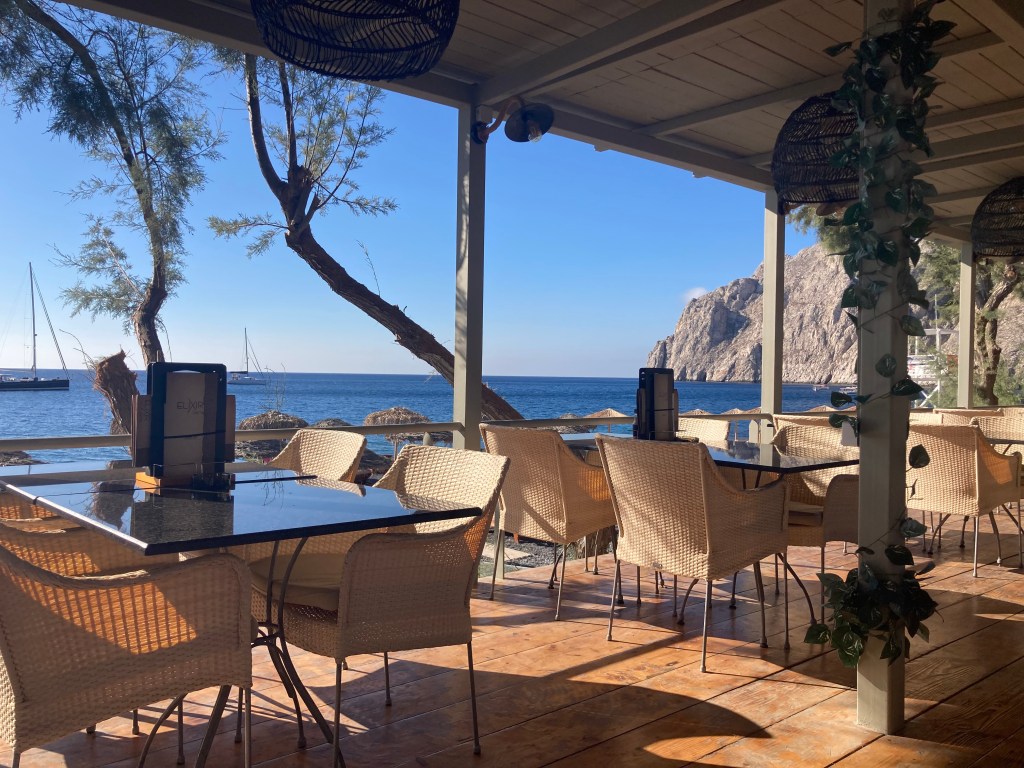
The beachfront restaurant Kristen and I dined at this morning called Elixir. We paid 30 euros total for a near six course meal. Ab-so-lute-lee dee-lish-uss, and a fair price too.

We travel upstream tomorrow to spend the rest of our Santorini time in supposedly the most beautiful and rich portion of the island, Oia (pronounced Ee-yah, we found out yesterday).

Blessings and peace.

Uncategorized

Europe Trip: Day Three (England-Santorini, Greece)

Kristen and I flew to Santorini, Greece today by British Airways. We checked in to our Airbnb/hotel in Santorini after a fun Uber drive from the airport – the driver could hardly speak English and played Greek trap music the entire time. We decided to spend the end of our relatively smooth day by walking over to a nearby beachfront restaurant where we enjoyed a savory Greek pizza. Tomorrow will be possibly the chillest day of the whole trip, since the whole day will be dedicated to bathing ourselves in the gentle shores of Kamari beach and recuperating from the hustle and bustle of London life.

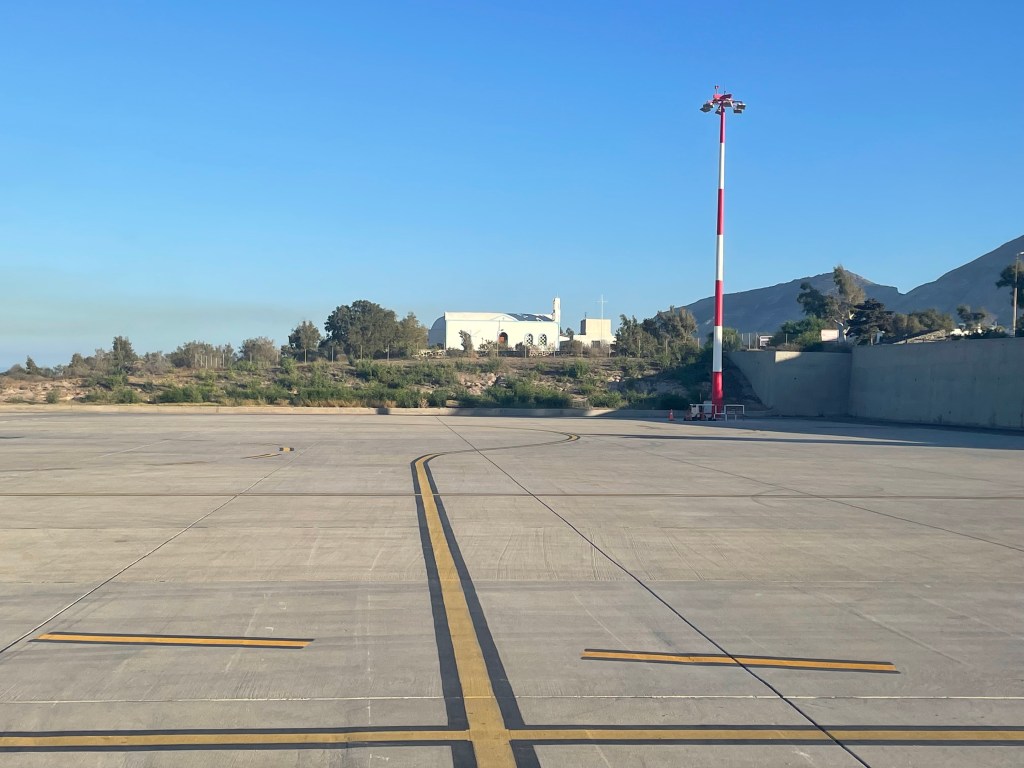
Our immediate view of the island as we exited our British Airways flight. Just outside of the picture, on the right, are the gorgeous Santorini mountains which overlook the entire island.

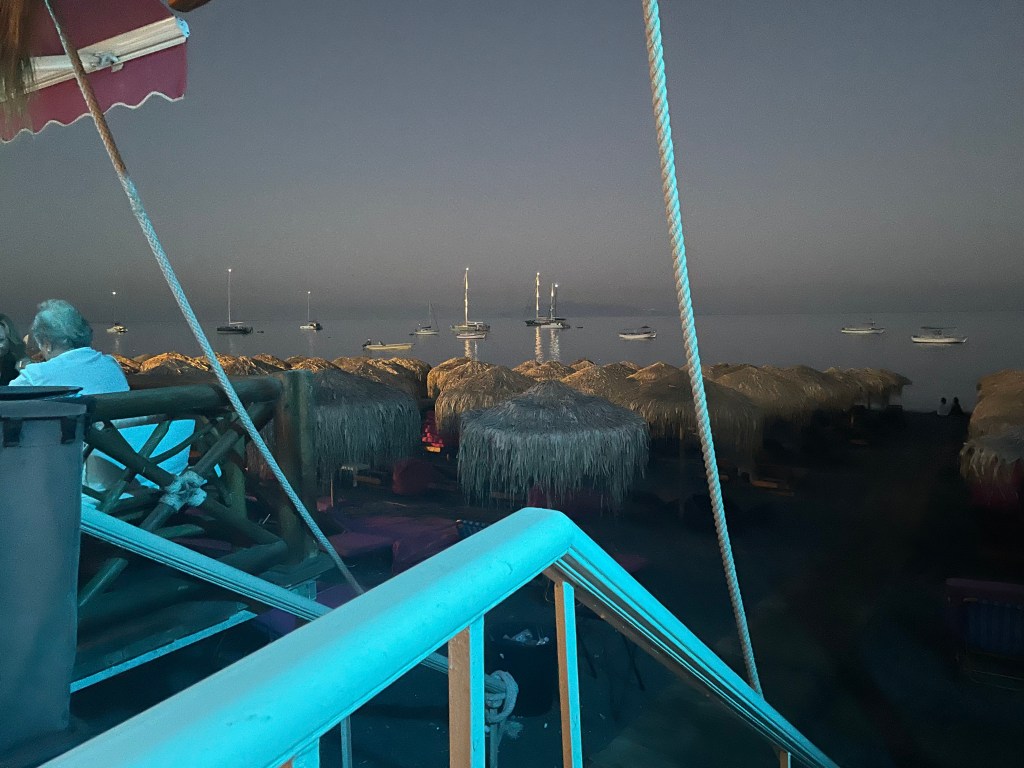
Our view looking out at Kamari beach from the restaurant where we ate dinner tonight.

Blessings.

Uncategorized

Europe Trip: Day Two (Oxford)

Today Kristen and I strolled half an hour from our Airbnb over to a coffee house near the nearby train station. We began the day by – similar to yesterday – sipping, murmuring to each other our excitements for the day, and reading.

My journal entry:

“What a legendary day yesterday was! And how legendary today will be if everything works out okay. Oxford is the heaven on earth of thinker-intellectuals, and we’re being seen through the crimson-colored gates. We’re sitting in ‘Caffe Nero’ right now before heading for the train station. The suburbs on the outskirts of London has a slowness of pace I compared to Portland, OR. Like a different dimension… Off to Oxford it is! Glory to thee, our God, glory to thee.”

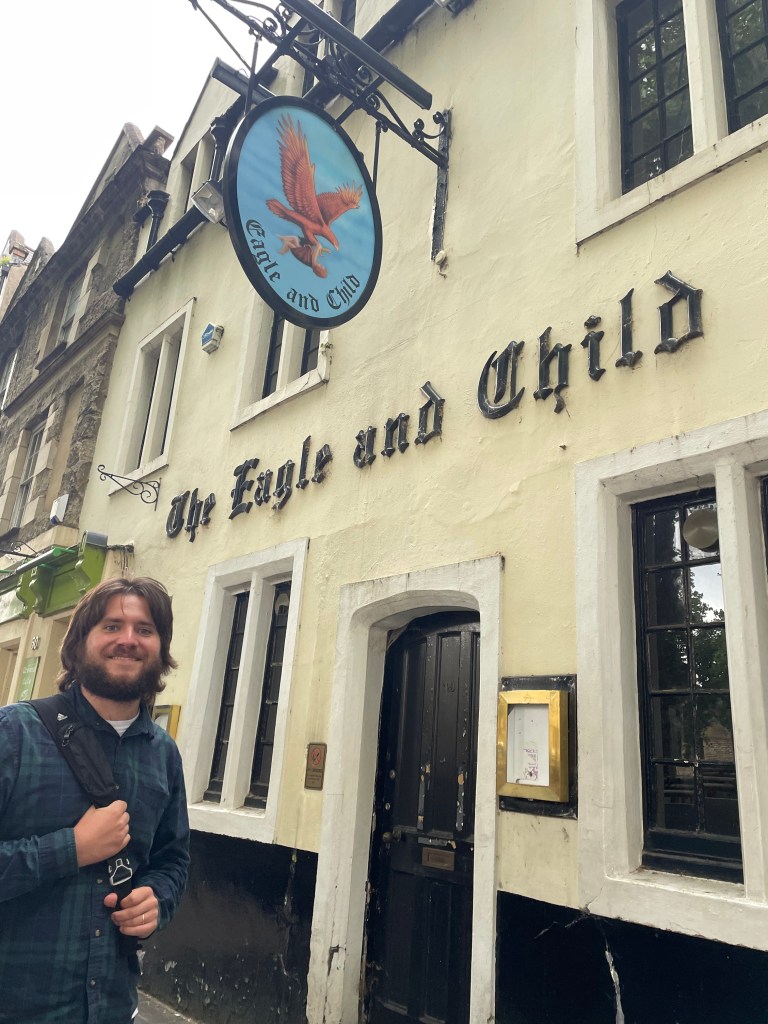
After we ate a delicious English breakfast, we took the train system out to the bustling town of Oxford: a trip which took roughly three hours in total. Along the way, we realized (after a series of trial and error) that we had mastered the art of the city train, and felt proud of ourselves. When we arrived at Oxford, we took a cursory stroll through the town and hit a few photo ops like the Eagle and Child, the pub where the Inklings (the Oxford literary group founded by C.S. Lewis and J.R.R. Tolkien) was first formed.

A few weeks ago, when we decided to spend half our allotted time in England at Oxford, we decided we would spice up our Oxford visit with a Harry Potter tour of the University. Well we did that today, and it was fantastic! Our guide, clad from head-to-toe in Gryffindor gear, took us all across the University campus while spouting off various Harry Potter film facts to the collective group’s awe. At the beginning of the tour, the guide assigned different families and couples to different Hogwarts houses based on their individual preferences, and proceeded throughout the tour to quiz the group on Harry Potter trivia. Hufflepuff not having a ready representative when it came time to choose the houses, Kristen and I decided to sign up and our guide knighted Kristen with a bright yellow Hufflepuff scarf. Though we came in last place (it was only Kristen and I on the team), we put up a good fight and Kristen knew almost every trivia question posed since she just finished the Harry Potter books just a few days ago. It was an epic time!

After our tour, we splurged at the University book shops – one of which, Blackwells, had a humungous selection with both Church History and Systematic Theology shelves, to my glee – and headed for the complex interplay of train rides back home. Tonight, we prepare for our flight to Santorini Greece in the morning, where the cultural and physical atmosphere will take a decidedly happy upturn!

In front of the legendary Eagle and Child pub. What the heck yo!

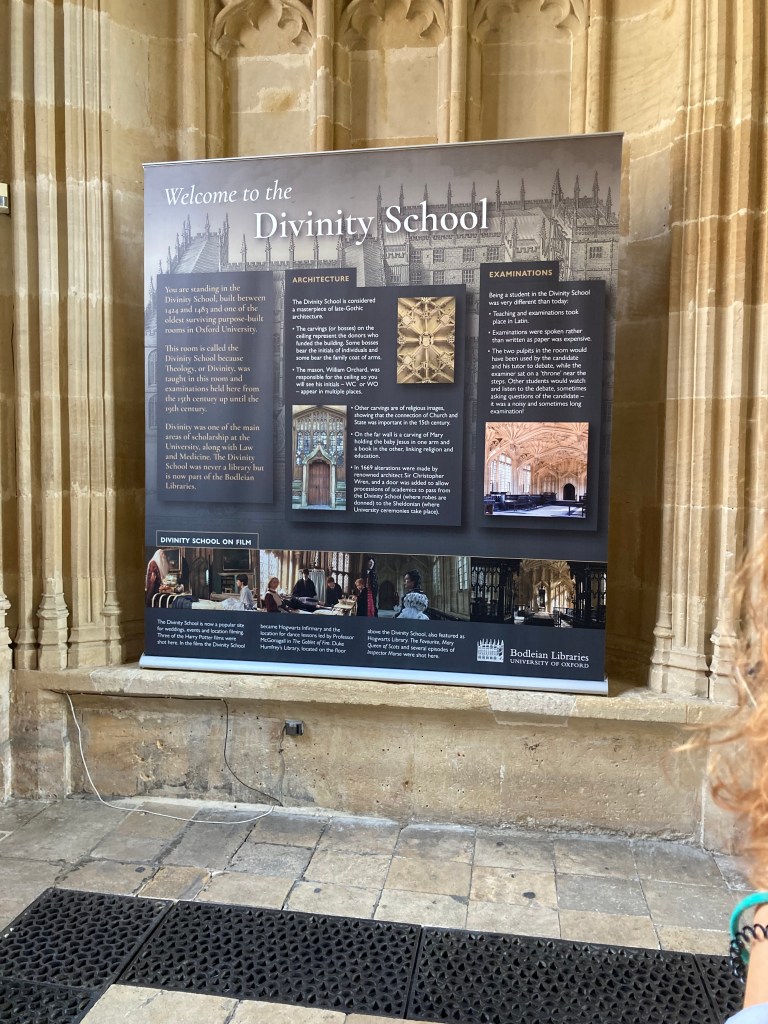
Inside Oxford’s first hall dedicated to the formal study of Theology. I felt seen.

The Chapel of St. Mary the Virgin on the University campus. C.S. Lewis frequently attended and preached at St. Mary’s when a student and later a professor.

The lower floor of Blackwells. In the lower half of this floor, right where I am pointing the camera, is the Theology/Systematics section where I spent most of my time while Kristen perused the rest of the store. You know I had to do it!

Off to bed.

Uncategorized

Europe Trip: Day One (London)

My wife Kristen and I are on an eleven day Europe trip across London, Santorini, and Rome. Today marked our first full day in London, and we jam packed it full of everything our capacities allowed.

My journal entry this morning:

“Sitting in an Italian cafe right by the Thames, before heading over to the London Eye to begin a bus tour. I am blessed to travel the world like this during my lifetime, my family has given me much… glory to thee, our God, glory to thee.”

I’ll give a few highlights from today with some supplementary pictures:

First, as my entry above indicates, we started our day by walking a few miles from our Airbnb near Islington to an Italian coffee shop called Cafe Vergnanos. As English majors, Kristen and I reveled in the quiet, background hum of groggy British passersby while we sat, read, sipped, and mentally prepared for the day. After our cappuccinos and canolis were finished, we walked across Waterloo bridge towards the London Eye to get in place while we waited for our London Tour bus to pick us up. Having more time than needed, we went across an adjacent bridge which took us right to the foot of the Parliament building where Big Ben loomed over us while we strolled. We stopped in the Parliament gift shop across the street and headed back to our Tour bus meeting spot. After our awesome (and long) tour, we stopped in a British pub for the classic Fish and Chips, wading through the Burrough food market to get there. Since I bought tickets for St. Paul’s Cathedral while we munched on some Atlantic Cod and soft French fries, we immediately booked it to the huge church building to prepare to enter once we were finished with lunch. Needless to say, it was a breathtaking and worshipful space. The rest of our day consisted of sitting in awkward silences while quiet Uber drivers drove us to our various destinations, walking, walking, and more walking, and taking pictures in front of Buckingham Palace. In true British fashion, we picked up some Indian food (supposedly the best cuisine in London) and walked through the quiet, outer-London suburbs to our Airbnb.

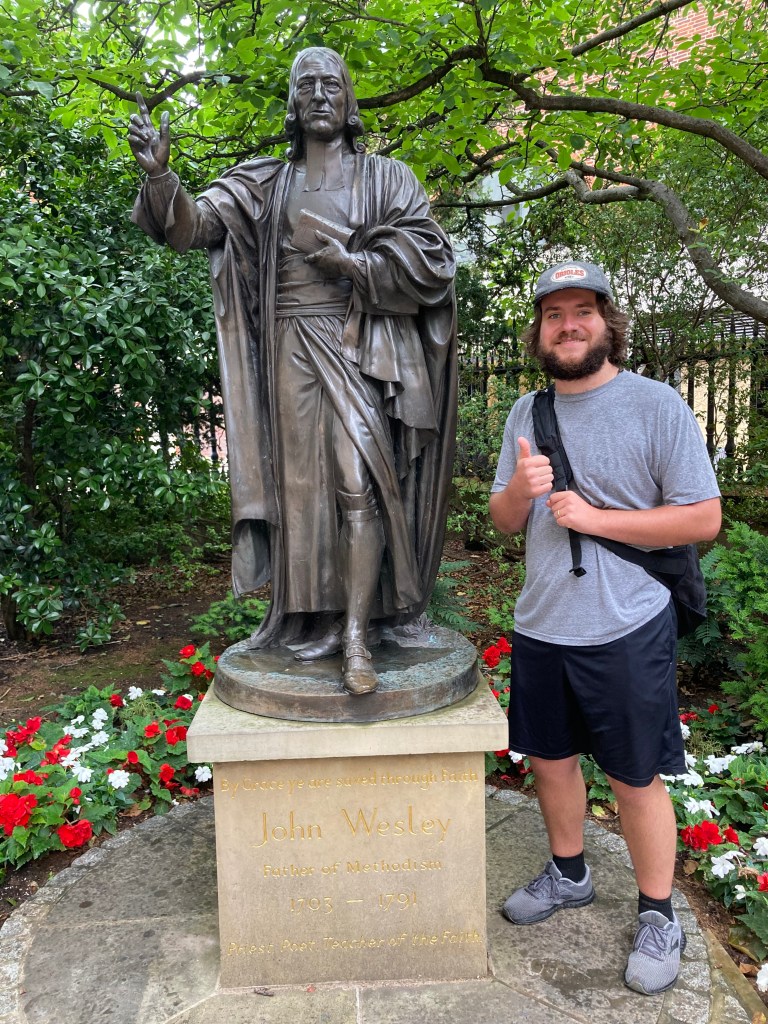
Me standing by a statue of John Wesley outside of St. Paul’s Cathedral. Epic!

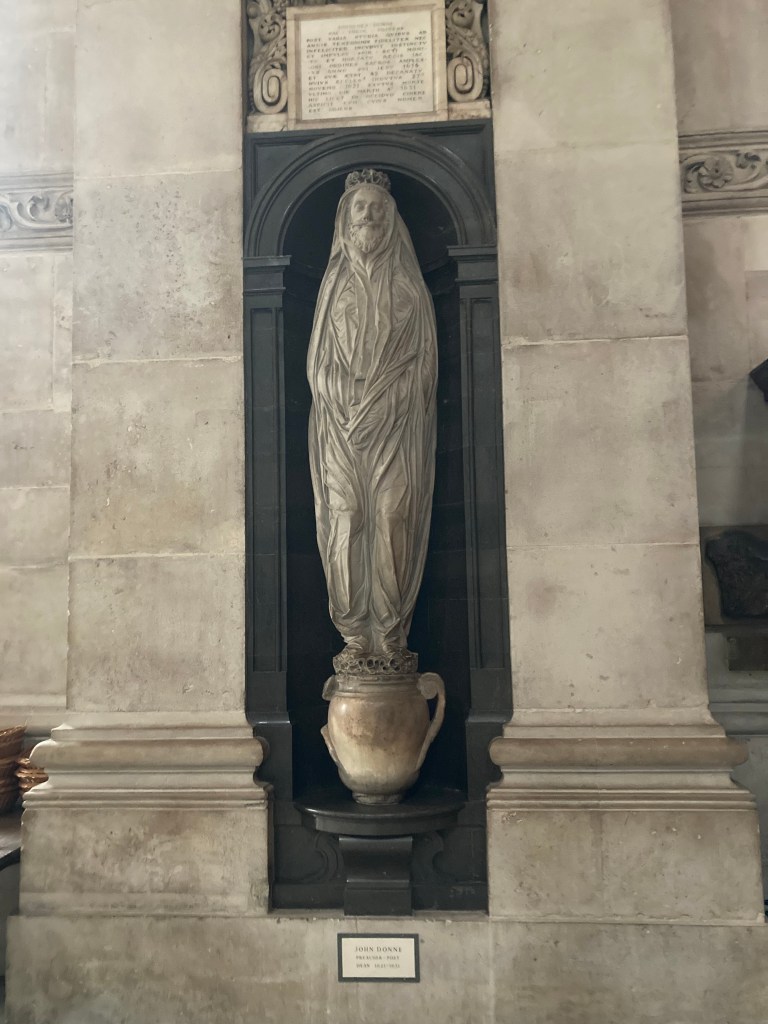
A commemorative statue of the legendary English Metaphysical Poet John Donne inside St. Paul’s Cathedral. Also epic!

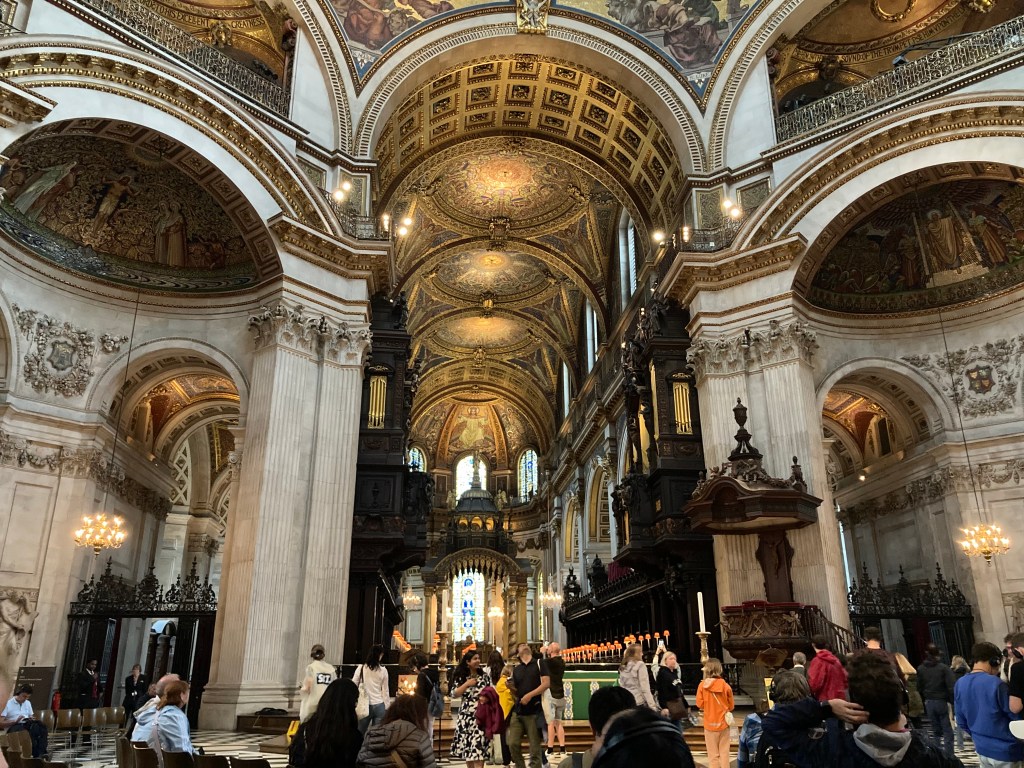
Inside the central dome of St. Paul’s, where all the eucharistic action happens.

A handmade (not handpainted) icon I bought from St. Paul’s. You know I had to do it!

‘Twas a good day in London. In the morning, off to Oxford!

Uncategorized

Dionysius the Areopagite on the Most Holy Trinity

St. Dionysius the Areopagite, also known as “Pseudo-Dionysius” in more scholarly circles due to the fact that he was almost definitely not the Dionysius mentioned in Scripture as the disciple of the Apostle Paul, is a Christian theologian who garnered massive subsequent theological influence in both Western and Eastern theology. His treatise On the Divine Names is a meditative Trinitarian exposition on the central doctrine of the Christian faith, the Trinity. While the language Dionysius uses to describe human participation in the Triune God can be, at times, oddly-phrased, his theologizing stands as a cornerstone of later theological thinking and by itself serves to bring the reading Christian into further contemplative union with his God, who is Father, Son, and Spirit.

The second chapter, subtitled “Letter to Titus: Concerning common and distinctive theology, and what is the Divine Union and distinction” is uniquely worshipful, and offers us some theological meat to chew on. A feature of Dionysius’s theological vocabulary here which most excites reverence for his project in me is the frequent use he makes of what I call “super” terms. Since, for Dionysius (and the rest of the Christian Tradition), God is “beyond being” – i.e., beyond existence and non-existence, being and non-being – God can therefore rightly be called “superessential” or “supersubstantial.” God is “super essential,” then, because he is “above essence” or “substance-above-substance.” Substances or essences for Dionysius constitutes all that exists in the creaturely realm, i.e., everything that is not God; since God is not a creature and therefore not a part of the “substantial” or “essential realm,” he is therefore “super substantial.” I have yet to hear a contemporary theologian use such a term, but I believe terms like these – which make quick work of the Creator-creature distinction once its meaning is explicated – can help explain in concise ways God’s wholly otherness.

Before beginning his explication of the Trinitarian-ontological relations, he prefaces in section II,

“By taking thence the Divine revelations, as a most excellent canon of truth, we strive the guard the things lying there, in their native simplicity and integrity and identity – being ourselves guarded in our guard of the Oracles [Scriptures], and from these receiving strength to guard those who guard them.”[1]

By thus beginning, Dionysius tells his readers that the Trinitarian dogma he will then go on to describe has their foundation and source in the “Oracles” themselves. The Trinity and the Bible are inseparable.

In case anyone thought he only relied on an individualistic reading of the Oracles, he begins his explication in section IV by writing that his chronicles function within the Tradition which he inherited, stating,

“The sacred instructors of our theological tradition call the ‘Divine Unions’ the hidden and unrevealed sublimities of the super-unutterable and super-unknown Isolation; but the ‘distinctions,’ the goodly progressions and manifestations of the Godhead; and, following the sacred Oracles, they mention also properties of the aforesaid ‘Union’; and again of the distinction, that there are certain specific unions and distinctions… there is kindred and common to the One-springing Triad… the Oneness above source of one.”[2]

There is such richness packed into this portion I couldn’t possibly cover it all, but his theological vocabulary continues to arrest me. The Triune being, he argues from the Tradition, is “constituted” by a “super-unknown Isolation” and also by “goodly progressions and manifestations of the Godhead.” Translated into later Trinitarian parlance, God is Father who generates forth the Son and spirates the Spirit. The monarchy of God, i.e., the Father, is the “One” who is “springing” within that life of the “Triad”; but that springing forth is a “Oneness above source of one,” i.e., in unutterable and unspeakable (apophatic) generation within God’s ontology.

He clarifies in section V:

“But there is a distinction in the superessential nomenclature of God, not only that which I have mentioned, namely, that each of the One-springing Persons is fixed in the union itself, unmingled and unconfused; but also that the properties of the superessential Divine Production are not convertible in regard to one another. The Father is sole Fountain of the superessential Deity, since the Father is not Son, nor the Son, Father; since the hymns reverently guard their own characteristics for each of the supremely Divine Persons.”[3]

Let us not forget the distinctions within the Godhead, Dionysius reminds us. The Father does not stand alone as a unitary monad without inner distinction, but is eternally the Father-issuing-forth-both-Son-and-Spirit; neither the divine ontology nor any of the Christian theological pronouncements makes any sense without such inner-life distinctions between Father, Son, and Spirit. The Christian faith rests on such distinctions. “How these things are,” though, Dionysius says, “is neither possible to say, nor to conceive.”[4] Don’t think about it; shut up and worship the God who is Father, Son, and Spirit!

Dionysius finishes his second chapter by clarifying one final point: that though the Names of God exclusively apply to each “distinct” – a word I hesitate to use – Divine Person, the attributes of divinity can be rightly said to apply to each: Father, Son, and Spirit. He writes,

“These, the mutual and common distinctions, or rather the goodly progressions of the whole Deity, we will endeavor to the best of our ability to celebrate from the Names of God, which make them known in the Oracles;-first, having laid down, as we have said, that every beneficent Name of God, to whichever of the supremely Divine Persons it may be applied, is to be understood with reference to the whole Supremely Divine wholeness unreservedly.”[5]

Glory be to our Triune, unity-in-diversity God for all His manifold graces.


[1] Dionysius the Areopagite, The Collective Works: St. Dionysius the Areopagite, Trans. Rev. John Parker (Neptic Fathers Publications, 2023), 12.

[2] Dionysius the Areopagite, The Collective Works: St. Dionysius the Areopagite, Trans. Rev. John Parker (Neptic Fathers Publications, 2023), 13. 

[3] Dionysius the Areopagite, The Collective Works: St. Dionysius the Areopagite, Trans. Rev. John Parker (Neptic Fathers Publications, 2023), 14. 

[4] Dionysius the Areopagite, The Collective Works: St. Dionysius the Areopagite, Trans. Rev. John Parker (Neptic Fathers Publications, 2023), 16.

[5] Dionysius the Areopagite, The Collective Works: St. Dionysius the Areopagite, Trans. Rev. John Parker (Neptic Fathers Publications, 2023), 19.